Cloud bills grew with AI workloads through 2026, and the organizations that kept spend sane did it by making cost an engineering concern rather than a finance surprise. FinOps works when engineers can see the price of their own decisions at the moment they make them.
The usual suspects
Idle non-production environments, unattached storage volumes, oversized instances, and forgotten load balancers account for most visible waste. A weekly automated report of these categories usually pays for itself within a month of fixes.
Tag from day one
Cost allocation requires tags applied at resource creation, not cleanup. Enforce tagging through infrastructure-as-code policy so that untagged resources cannot be created, because retroactive tagging projects almost never complete.

Give engineers the bill
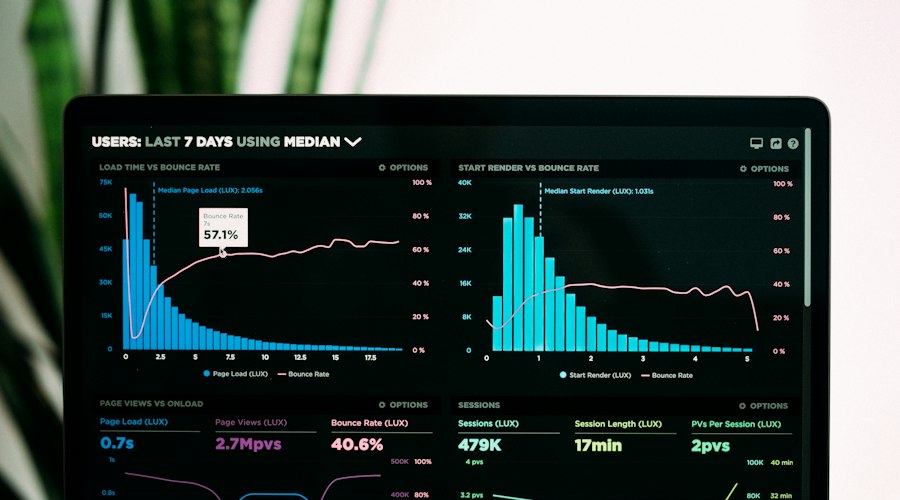
The most effective FinOps practice is surfacing per-service cost next to the dashboards engineers already watch. Teams that can see their own spend change architecture decisions voluntarily; teams that only hear from finance quarterly do not.
Where the waste actually lives
The recurring categories are unremarkable but persistent: idle non-production environments, orphaned volumes and IPs, oversized instances running at low utilization, and data egress between services that could be colocated. AI amplified two new ones — GPU capacity reserved but under-saturated, and inference spend with no per-feature attribution. The first FinOps win in any environment is a visible, owner-tagged report of these categories, because most are invisible until someone charts them.
Making cost a build-time signal
Unit economics land when cost appears alongside latency and errors on the same dashboards, broken down per feature or per request rather than per account. Tagging discipline enforced by policy (untagged resources cannot deploy) makes attribution possible; budgets with alerts at 50, 80 and 100% keep surprises rare. The behavioral shift is complete when a pull request that doubles an N+1 query gets a cost comment in review.
Key takeaways
- Idle environments and unsaturated GPUs dominate waste in 2026.
- Enforce tagging at deploy time; attribution needs policy, not spreadsheets.
- Put cost per feature on the same dashboard as latency and errors.
Final thoughts
FinOps matures when cost becomes a property engineers optimize in the same review where they optimize performance — the finance conversation then shifts from blame to trade-offs, which is the only kind that scales.